
What is a Winter Mindset?
In the spring of 2023, a state of emergency was declared in Georgia for a reason that sounds trivial at first: the peaches hadn’t wintered properly.
With winter temperatures roughly six degrees warmer than usual, nearly 90% of the Peach State’s $34 million namesake crop was destroyed.
Through a process known as vernalization, some plants—notably apples and winter wheat—require a specific period of cold exposure in order to bloom or bear fruit in the spring. In other words, in nature, winter does important work.
Health psychologist and author Kari Leibowitz, PhD, uses vernalization as a metaphor for human wintering in her book How to Winter: Harness Your Mindset to Thrive on Cold, Dark, or Difficult Days.
Based on fieldwork in cultures with extreme winter conditions, Leibowitz invites us to reflect on what there is to savor in winter, and what our bodies and minds might need during seasonal shifts that cannot be bypassed.
What important work might be happening beneath the surface when the days are short, darkness lingers, and leaving the house requires all the layers?
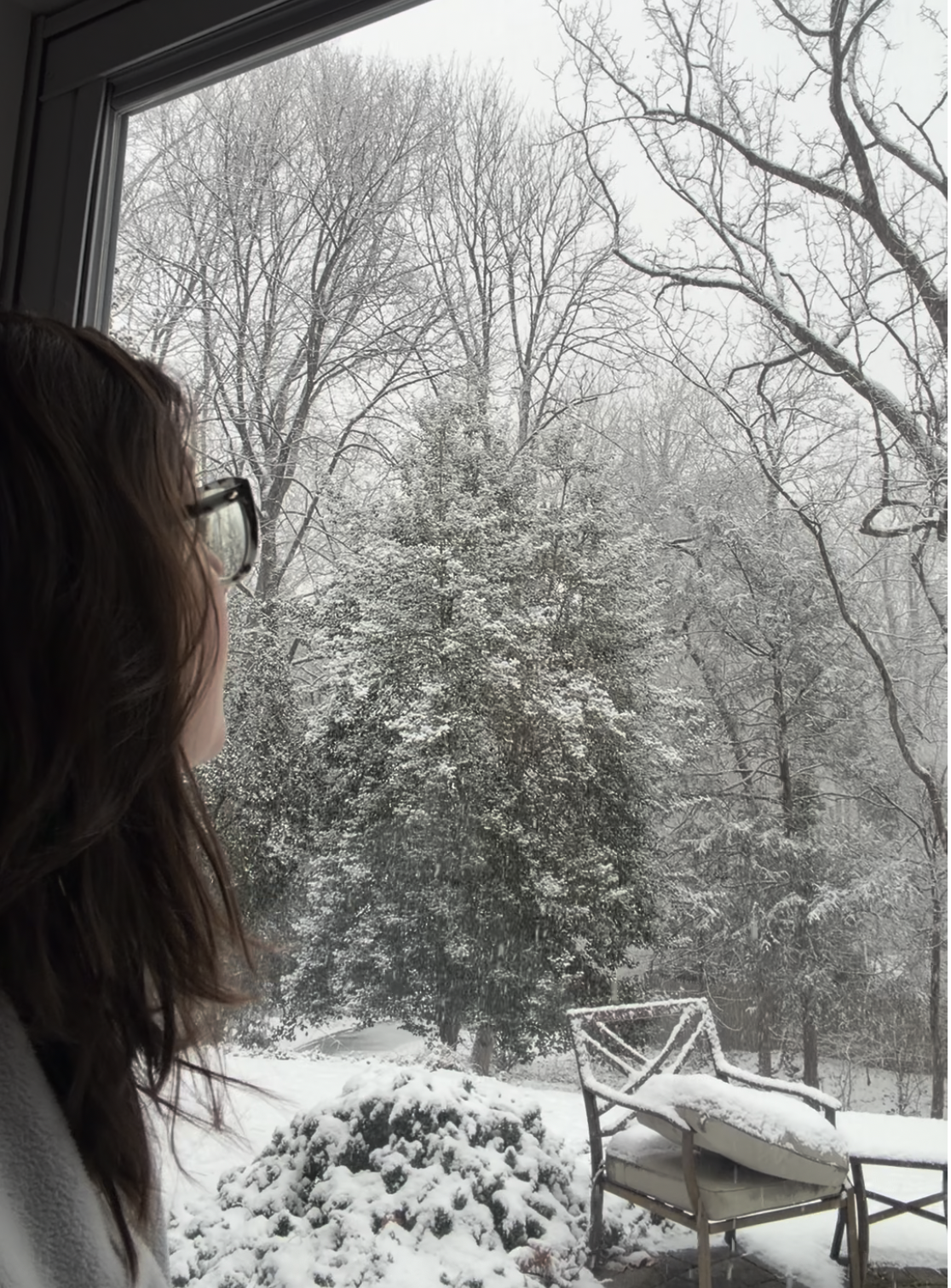
A Long Darkness
In Tromsø, Norway—located roughly 200 miles north of the Arctic Circle—the sun sets on November 21 and does not rise fully again until January 21.
If you live in the middle latitudes, as I do, imagining a sunless sky for nearly two months may inspire dread, highlighting how culturally conditioned our expectations of winter often are.
During fieldwork for her book, Leibowitz found a community with an entirely different relationship to the long darkness. Residents did not describe polar night as something to “get through,” but as something to anticipate. Winter was understood as having unique rhythms, rituals, and rewards. Leibowitz calls this a winter mindset [1].
Rethinking Winter
As Leibowitz explains, a mindset is simply a set of core assumptions or beliefs about how something in the world works. Mindsets are interpretations, not facts, so it’s important to note that mindset work isn’t about negating or ignoring realities like daylight, weather, or mental health needs.
“Winter is limiting” is a mindset.
“Winter offers different kinds of opportunities” is also a mindset.
In Tromsø, winter was often described as peaceful, magical, and cozy. More importantly, because the seasonal shifts are so extreme (the summer brings nearly two months of continuous daylight), there was a shared cultural assumption that daily life would adapt to the seasons rather than resist them.
Productivity expectations and schedules were different. Winter meant more rest, more sleep, and a slower pace. It was precisely this permission to do things differently that Leibowitz identified as the heart of a winter mindset.
A winter mindset isn’t about pretending to love the cold or ignoring mental health realities. And it isn’t a replacement for mental health treatment. Seasonal Affective Disorder is a clinical diagnosis, but Leibowitz proposes that common shifts—like lower energy, slower pace, and greater inwardness—can be adaptive responses to seasonal change.

How Can We Change Our Winter Mindset?
According to Leibowitz, the first step is awareness. We rarely question our assumptions about something as fundamental as winter until we pause to examine them.
What do you believe is true about winter—for you?
Next, Leibowitz invites us to shift our attention since what we attend to shapes what we feel and how we behave. In the terminology of positive psychology, winter may be an opportunity to cultivate positive emotion through savoring—intentionally noticing and appreciating what feels good in the present moment [2].
What do you appreciate about the winter season?
For me, it’s time with family, holiday rituals, cozy evenings with movies or board games, and the post-holiday permission to turn inward.

Key Takeaways from How to Winter
Beyond noticing what feels special or meaningful about the season, Leibowitz highlights three practices for wintering well. Underpinning all of these is a broader shift in expectations about pace, productivity, and energy.
Create winter rituals you can look forward to. For many people, January and February feel difficult because of the sudden drop-off in seasonal structure after the holidays. While a slower calendar can be a welcome change, having predictable, personal rituals can support well-being. Consider small but meaningful practices like building a fire on Friday nights or cooking a hearty family dinner on Sundays.
Stay socially connected, even at a slower pace. Solitude can be nourishing in winter, but humans still need connection. Rather than relying on spontaneous social contact, winter often calls for more intentional social gatherings. In the Outer Hebrides off the coast of Scotland, Leibowitz describes cèilidh (pronounced kay-lee), a Gaelic tradition of winter gatherings centered on storytelling, music, and yes, whisky.
Get outside. As the Scandinavian saying goes, “There is no such thing as bad weather, only bad clothing.” In Tromsø, bundling up to spend time outdoors during the polar night is simply part of daily life. Connection with nature, movement, and fresh air are all associated with improved mood—making outdoor time especially valuable during long, dark winters.
Whether you’re navigating a literal winter or a metaphorical one, Leibowitz’s insights apply equally. A winter mindset embraces the reality of slower, quieter, more restorative seasons.
After all, without a proper winter, we miss out on a whole lot of peaches.
References
[2] Savoring in Positive Psychology: 21 Tools to Appreciate Life
